
Understanding the Hit Club Concept
In the ever-evolving world of gaming, the concept of a “hit club” has emerged as a dynamic hub for gamers to connect, compete, and collaboratively explore the vast gaming universe. These clubs not only foster a sense of community but also provide an enriched gaming experience through a variety of activities, from competitive tournaments to casual meetups. As the gaming landscape continues to expand in 2026, understanding the intricacies of hit clubs becomes essential for both seasoned gamers and newcomers alike. When exploring options, hit club platforms offer comprehensive insights into forming beneficial gaming communities.
What is a Hit Club in Gaming?
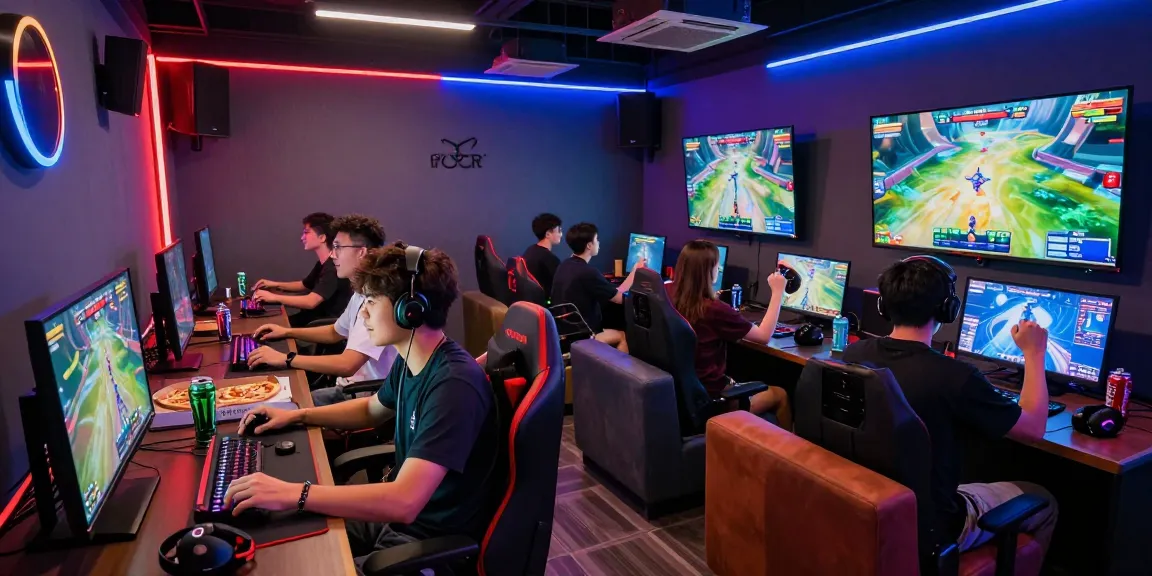
A hit club in gaming refers to a social and interactive environment where players can congregate to share their gaming experiences, strategies, and tips while participating in various gaming-related activities. These clubs can either be virtual, leveraging online platforms, or physical, located in community centers or gaming cafes. The primary goal of a hit club is to create a space where gamers can enhance their skills, collaborate on game strategies, and develop friendships based on a shared passion for gaming.
Origin and Evolution of Hit Clubs
The concept of hit clubs can be traced back to the early days of gaming, when players would gather in arcades or local gaming stores to challenge each other in person. As technology advanced, these gatherings evolved into online forums and social media groups, allowing gamers to connect beyond geographical boundaries. By 2026, hit clubs have incorporated elements such as live streaming, multiplayer gaming sessions, and even virtual reality interactions, creating a multifaceted community that adapts to technological advancements.
The Impact of Hit Clubs on Social Gaming
Hit clubs have significantly transformed the social dynamics of gaming. These clubs provide an inclusive environment that encourages collaboration and social interaction among players. Participants often report increased motivation and improved gaming skills due to the communal support and shared learning experiences found within these clubs. Moreover, hit clubs often host events and tournaments, fostering healthy competition and enhancing the gaming experience.
Key Features of Modern Hit Clubs
Gaming Accessibility and Inclusivity
Modern hit clubs prioritize accessibility and inclusivity, making gaming experiences available to a broader audience. Many clubs provide resources for players of all skill levels, ensuring that newcomers feel welcome while still offering advanced challenges for seasoned players. This inclusivity not only helps in growing the gaming community but also promotes diversity, bringing together individuals from various backgrounds.
Advanced Technology Integration
With the rapid advancement of technology, hit clubs are now capitalizing on innovative tools to enhance the gaming experience. From sophisticated gaming setups to interactive streaming setups, these clubs utilize the latest technology to create engaging environments. The integration of augmented reality (AR) and virtual reality (VR) is becoming increasingly common, offering members immersive experiences that extend beyond traditional gameplay.
Community Engagement and Events
Engagement is a cornerstone of successful hit clubs. Regular events, such as game nights, workshops, and tournaments, keep members active and connected. These events not only boost participation levels but also create unique opportunities for skill development and social interaction. Clubs often leverage social media to promote their events, allowing for broader reach and engagement within the gaming community.
Challenges and Solutions in Hit Clubs
Addressing Common Misconceptions
Despite their popularity, hit clubs face misconceptions that can deter potential members. Many individuals believe that these clubs are exclusive to elite gamers or that they primarily focus on competitive play. In reality, hit clubs cater to a diverse audience and emphasize fun and social interaction as much as competition. Education and outreach efforts can help demystify these clubs and encourage more players to join.
Overcoming Technical Barriers for Gamers
Technical barriers can present challenges for some aspiring members. Many new gamers may feel intimidated by the technological aspects of gaming or lack the equipment to participate fully. Hit clubs can address these issues by providing access to gaming hardware and offering technical workshops to help players gain confidence and skills. Ensuring that all members have the necessary tools and knowledge promotes a more equitable gaming environment.
Creating Safe and Welcoming Environments
Inclusivity also involves creating safe spaces for all members. Hit clubs must actively foster respectful and positive environments that discourage toxic behavior and harassment. Implementing clear community guidelines and conducting regular discussions on inclusivity can help ensure that all members feel valued and safe within their clubs.
Real-World Examples of Successful Hit Clubs
Case Study: Top Hit Clubs in Major Cities
Several hit clubs have become regional hubs for gamers, each showcasing unique offerings. For instance, “Game Haven” in Los Angeles has gained popularity by blending in-person events with online forums, creating a vibrant community that crosses physical and digital boundaries. Similarly, “Pixel Palace” in New York City focuses on retro games, hosting tournaments that attract players of all ages, and even incorporating nostalgia for seasoned gamers.
Testimonials from Members of Hit Clubs
Real-life testimonials provide valuable insights into the impact of hit clubs. Many members have expressed how these clubs transformed their gaming experiences, making them feel more connected and engaged. “Joining my local hit club not only improved my skills but also introduced me to lifelong friends who share my passion for gaming,” remarked one enthusiastic gamer.
Comparing Virtual vs. Physical Hit Clubs
As hit clubs adapt to modern needs, a comparison between virtual and physical clubs becomes essential. Virtual clubs offer flexibility and accessibility, allowing gamers from various locations to connect effortlessly. However, physical clubs provide unique social interactions that resonate with the gaming culture. Both formats have their benefits, and many clubs are now combining both approaches to maximize participation and engagement.
The Future of Hit Clubs in 2026 and Beyond
Emerging Trends in Gaming Communities
As we look towards 2026, several emerging trends are shaping the future of hit clubs. The rise of hybrid gaming events that fuse online and offline experiences is becoming prominent. Additionally, an increase in community-driven content creation, where members contribute to the gaming ecosystem through streams and tutorials, is expected to enrich the club experience further.
The Role of Virtual Reality in Hit Clubs
Virtual reality is set to revolutionize how hit clubs operate. By 2026, many clubs will likely integrate VR as a standard feature, allowing members to engage in fully immersive gaming experiences where the boundaries between the real and virtual worlds blur. This technology promises to enhance social interactions within clubs and provide unique gaming sessions that were previously unimaginable.
Predictions for Gaming Culture Shifts
As gaming culture continues to evolve, hit clubs will play a crucial role in shaping community dynamics. We will see a greater emphasis on collaboration and shared learning rather than competition alone. Furthermore, the integration of mental health awareness and support within gaming communities will become increasingly significant, fostering a well-rounded approach to gaming.
What Makes a Hit Club Stand Out?
In a saturated market, certain attributes make hit clubs particularly appealing. Expansive offerings such as diverse game selections, engaging community events, and a strong support system for members are vital. Clubs that prioritize member feedback and continually adapt to the needs of their communities will stand out, ensuring they remain relevant and accessible.