Construction materials play an important role in determining the strength, appearance, and durability of buildings. Interior finishing solutions help create smooth surfaces, improve aesthetics, and provide a refined look to residential and commercial spaces. Among various finishing materials, POP plaster is widely used for creating decorative designs, ceiling finishes, and smooth wall surfaces. However, selecting the right material and understanding its application requirements are essential for achieving long-lasting results.
Understanding the Importance of POP Plaster in Construction
Plaster of Paris is a popular finishing material used for interior walls, ceilings, and decorative elements. It is created by heating gypsum, which removes moisture and produces a fine powder that can be mixed with water to form a workable paste. The material sets quickly and provides a smooth surface, making it suitable for various interior applications.
Before choosing any plastering solution, it is important to consider factors such as surface condition, environmental conditions, application techniques, and maintenance requirements. Proper planning helps prevent issues like cracks, uneven finishes, and reduced durability.
Evaluate the Quality of the Material
The quality of the plaster material directly affects the final appearance and performance of the surface. High-quality materials provide better consistency, improved bonding, and a smoother finish. Low-grade products may result in weak surfaces, poor adhesion, and frequent repairs.
When selecting plaster materials, check the composition, consistency, and performance characteristics. Materials with proper formulation ensure easier application and better finishing results. The use of reliable construction materials helps create surfaces that maintain their appearance for a longer period.
Consider the Surface Preparation Requirements
Proper surface preparation is one of the most important steps before applying plaster. Dust, dirt, oil stains, and loose particles should be removed from walls and ceilings to improve bonding. Uneven surfaces may require additional treatment before plaster application.
A clean and properly prepared surface allows the plaster to adhere effectively and reduces the chances of cracks or peeling. Builders and homeowners should inspect the condition of the surface before starting the finishing process to achieve better results.
Check Moisture and Environmental Conditions
Moisture levels and environmental conditions significantly influence the performance of plaster. Excessive humidity or water exposure can affect the setting process and may reduce the lifespan of the finish. Therefore, it is important to evaluate the location where the plaster will be applied.
For areas exposed to moisture, selecting suitable finishing materials and applying proper protective measures can improve durability. Understanding environmental conditions ensures that the chosen plaster solution performs effectively in different building environments.
Choose the Right Plaster Material for Applications
Different construction requirements demand different types of plaster materials. Some applications require smooth finishes for walls, while others need decorative designs or ceiling patterns. Selecting the appropriate material based on the purpose ensures better results.
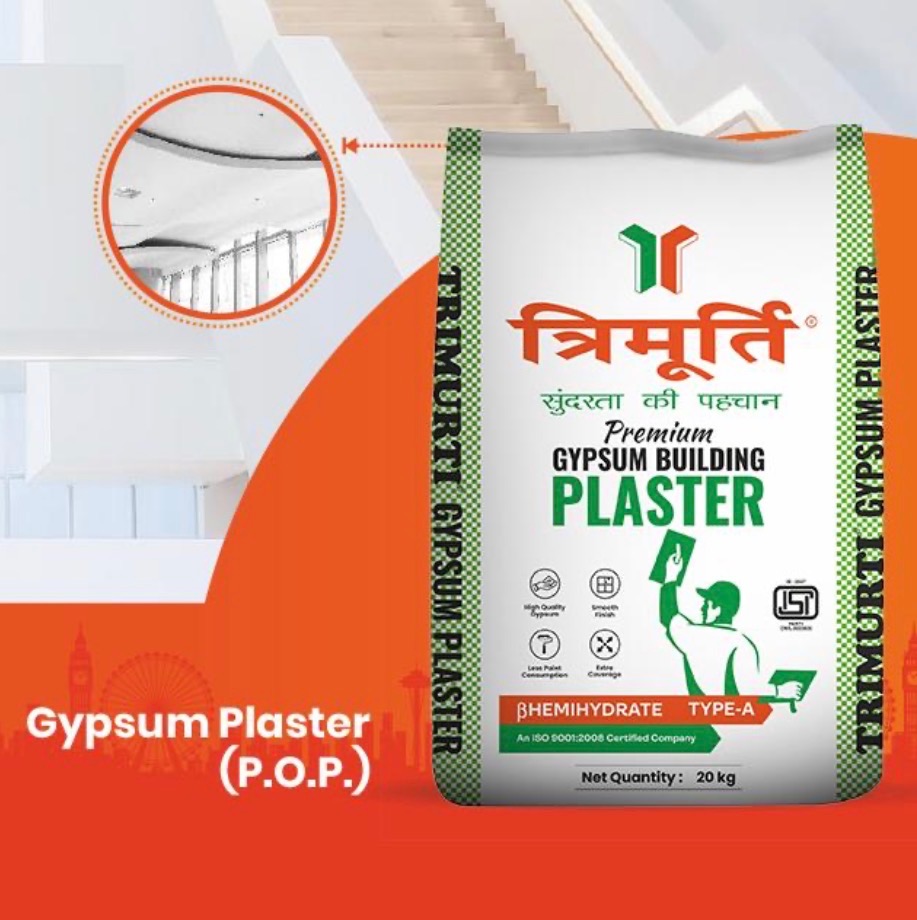
Gypsum plaster powder is commonly used for creating smooth finishes and improving interior surfaces due to its easy application and quick-setting properties. Understanding the specific requirements of a project helps determine the most suitable plastering solution.
Focus on Application Techniques
The application process plays a major role in achieving a professional finish. Even high-quality materials may not deliver the desired results if they are applied incorrectly. Proper mixing, accurate proportions, and skilled application techniques are essential for creating smooth and durable surfaces.
Professionals should follow recommended procedures while preparing and applying plaster. Maintaining the correct thickness and allowing sufficient drying time helps prevent surface problems. Proper tools and techniques also contribute to achieving an even and attractive finish.
Understand Drying Time and Maintenance Needs
Drying time is another important factor to consider before using plaster in buildings. The material needs adequate time to set and develop strength before further finishing work is carried out. Rushing the process may lead to surface damage and uneven results.
Regular maintenance also helps preserve the quality of plastered surfaces. Avoiding excessive moisture exposure, repairing minor damages early, and maintaining proper indoor conditions can extend the life of the finish.
Importance of Using Compatible Wall Finishing Products
A complete wall finishing process often involves multiple materials working together to improve surface quality and appearance. Using compatible finishing products helps create a stronger base for painting and enhances the overall durability of walls.
Proper combinations of plaster, putty, and paint reduce surface imperfections, improve paint adhesion, and provide a smooth, refined finish. Selecting suitable wall care materials based on project requirements ensures better performance and long-lasting results.
Common Mistakes to Avoid During Plaster Application
Avoiding common mistakes can significantly improve the quality and durability of plaster finishes. Some frequent errors include:
Applying on Unprepared Surfaces
Applying plaster directly on dusty or damaged surfaces can reduce bonding strength and create uneven results.
Using Incorrect Mixing Ratios
Incorrect water and material proportions may affect consistency, setting time, and overall performance.
Ignoring Drying Time
Applying additional layers or paint before proper drying can cause cracks and surface problems.
Selecting Materials Without Considering Requirements
Every building has different needs based on location, usage, and environmental conditions. Choosing materials without proper evaluation may affect long-term performance.
Benefits of Proper Plaster Selection and Application
Selecting the right plaster solution and following proper application methods provides several advantages, including:
● Smooth and attractive interior surfaces
● Better finishing quality for walls and ceilings
● Improved paint application and appearance
● Reduced chances of cracks and surface damage
● Enhanced durability of interior spaces
A well-planned plastering process ensures that buildings maintain their visual appeal while providing reliable performance over time.
Conclusion
Choosing the right materials and applying proper techniques are essential for creating durable and attractive interiors. Understanding surface preparation, material quality, moisture conditions, and maintenance needs ensures better finishing results. When properly selected and applied, POP plasterimproves building aesthetics while providing smooth, refined surfaces. Combining quality materials with effective methods helps create interiors that remain appealing, strong, and long-lasting.
For reliable construction outcomes and superior interior finishing requirements, Trimurti provides advanced wall finishing solutions, including Trimurti putty products designed for smooth surfaces, improved durability, and better paint performance. With a focus on quality construction materials and reliable finishing solutions, Trimurti supports builders, contractors, and homeowners in achieving professional results for residential and commercial projects. Their range helps create strong, attractive, and long-lasting wall finishes.